 Raise The Rouf Health
Introduction
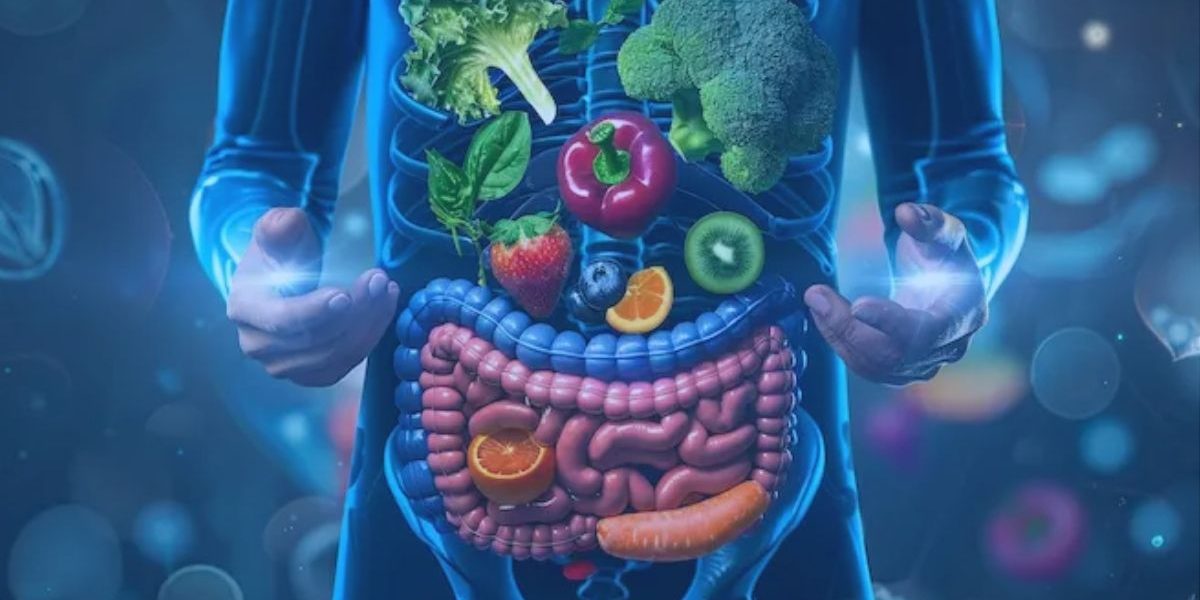
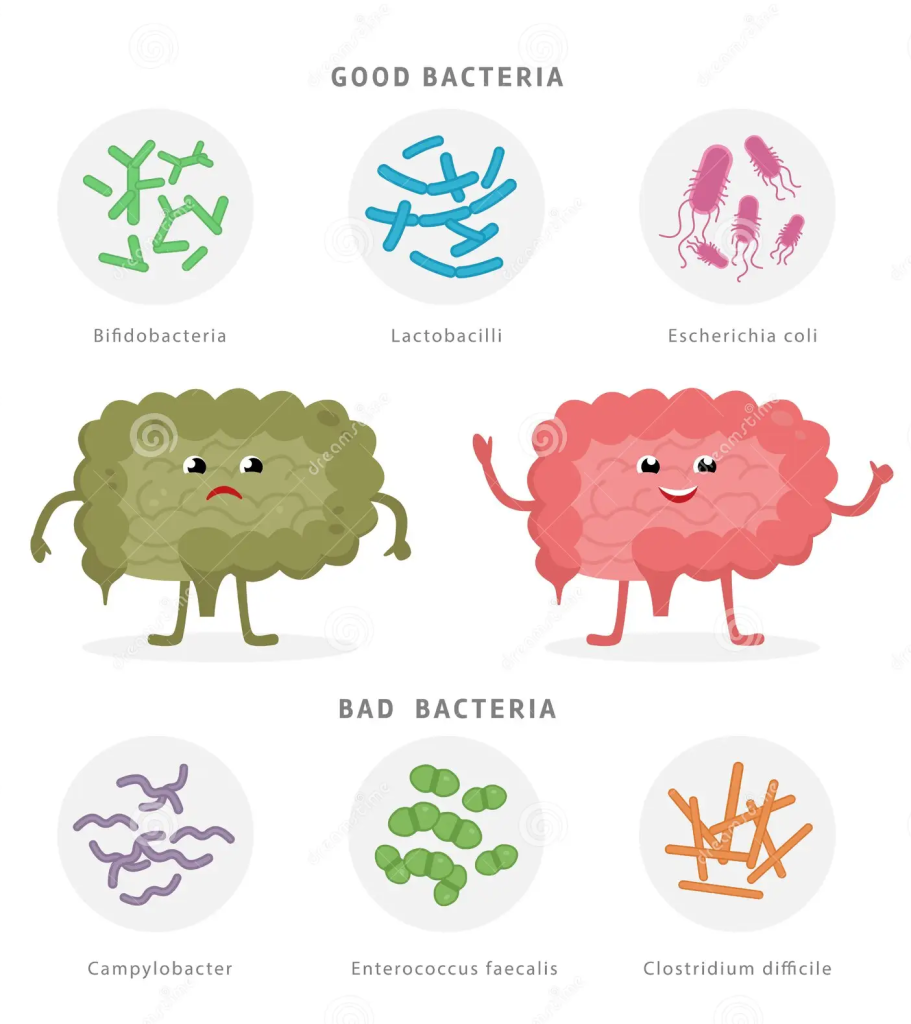
Within the large intestine lives trillions of bacteria, and we all have our own unique combination of these bacteria, referred to as our microbiota.
The health of our gut is something that is often overlooked, but more and more research is showing a strong link between the gut and various other organs as well! In other words, a healthy gut plays a significant role in overall health and reducing the risk of numerous chronic diseases.
Good Guys Versus Bad Guys
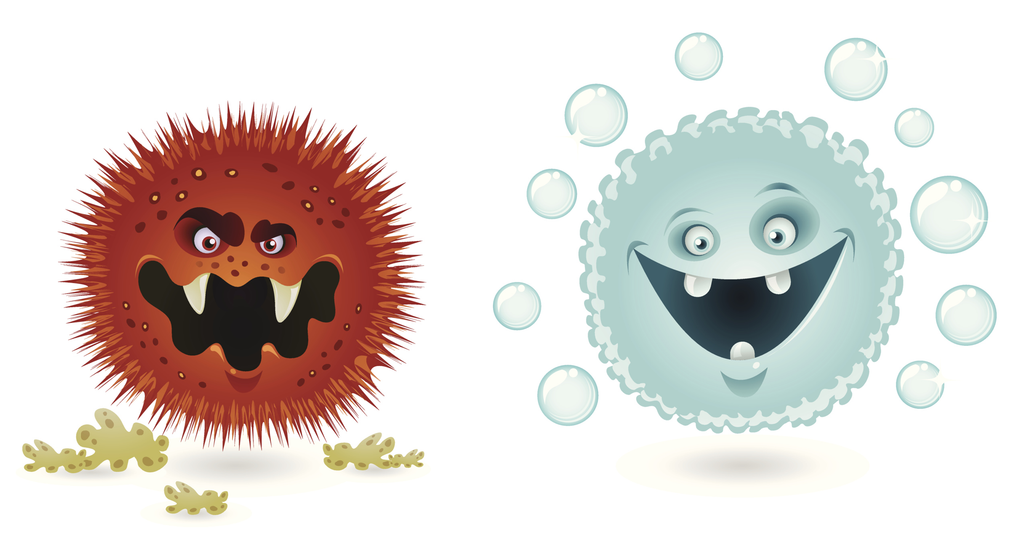
Of the trillions of bacteria that live in our gut, some of them are good and beneficial for our bodies, others not so much! The distribution and balance between the good and bad will vary from person to person. While factors like genetics, exercise, and stress have their place in shaping our gut health, the biggest contributor lies in our diet. The foods we eat largely influence which bacteria dominates our intestine. When the good bacteria outnumber the bad, it is referred to as “symbiosis.” When the reverse is true, we call it “dysbiosis.” Keep in mind that we can never have 100% good bacteria; however, as long as the good bacteria are “in control,” your gut is in great health!
Modern Diet Bringing us Down
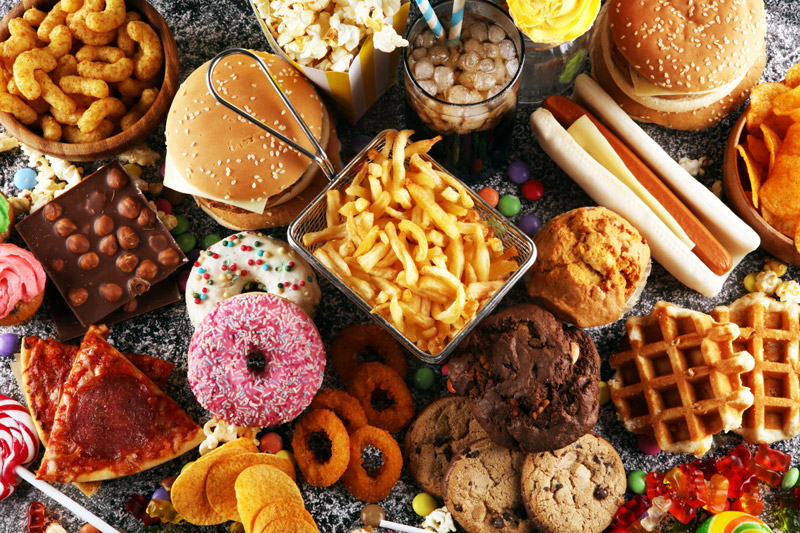
Unfortunately, the standard diet today is excessively high in both processed sugar and fat, both of which are the main food sources for those bad bacteria. Because of this, the vast majority of people live in a state of dysbiosis, that is, their bad bacteria outnumber the good, causing issues that can effect the whole rest of the body…
Bad Bacteria Wreaking Havoc
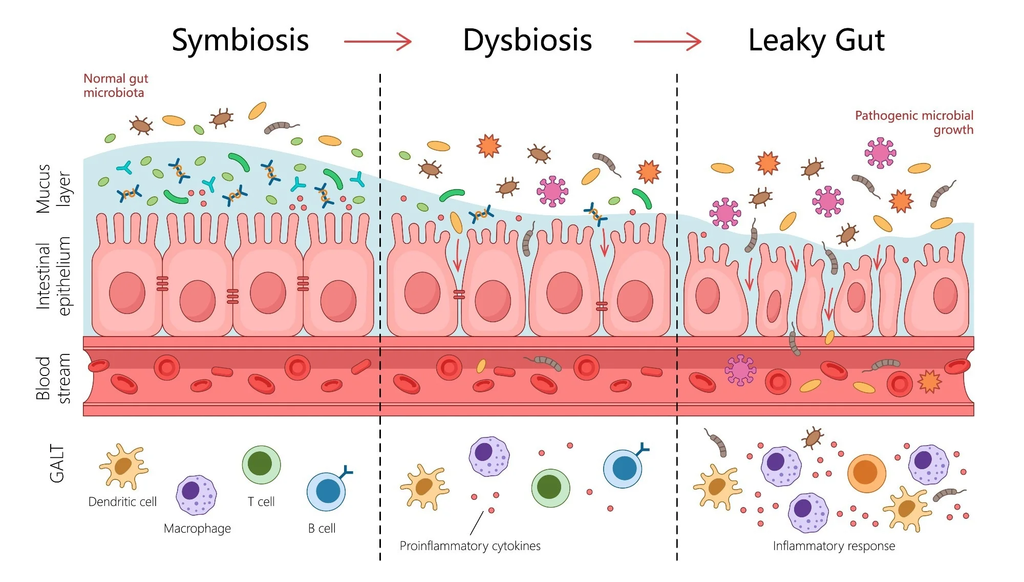
When in a healthy state of symbiosis, those good bacteria produce a healthy layer of mucous that acts as a barrier around the intestinal lining (see left side of image below). This barrier slows the travel of any “foreign material,” and allows us to notice and deal with it before it reaches the intestinal cells. Unfortunately, when the bad bacteria exceed the good bacteria (which is the case for the majority eating a standard American diet), they eat away at this mucous layer (see middle of image below).
Without that mucous barrier, invaders can reach the intestinal cells much easier. When this happens, a cascade of events is triggered, eventually causing the “glue,” the molecules that holds adjacent cells tight together, apart from one another, creating a gap or opening. This, now loose arrangement of cells, creates what is commonly known as “leaky gut.”
When leaky gut develops, particles that don’t belong sneak in between the cells (through those gaps that developed), get behind them, and cause immune reactions and inflammation in the body. When the leaky gut persists for an extended time frame, that inflammation spreads to the entire rest of the body. Because inflammation plays a key role in the development of any condition, leaky gut is the main mechanism that links poor gut health to the contribution of several diseases,
What Can You Do?
Now that you know a bit more about the bacteria that lives in the large intestine and how common leaky gut is in today’s society, what are some steps you can take today in order to improve your microbiota health, and further, the health of the rest of your body?
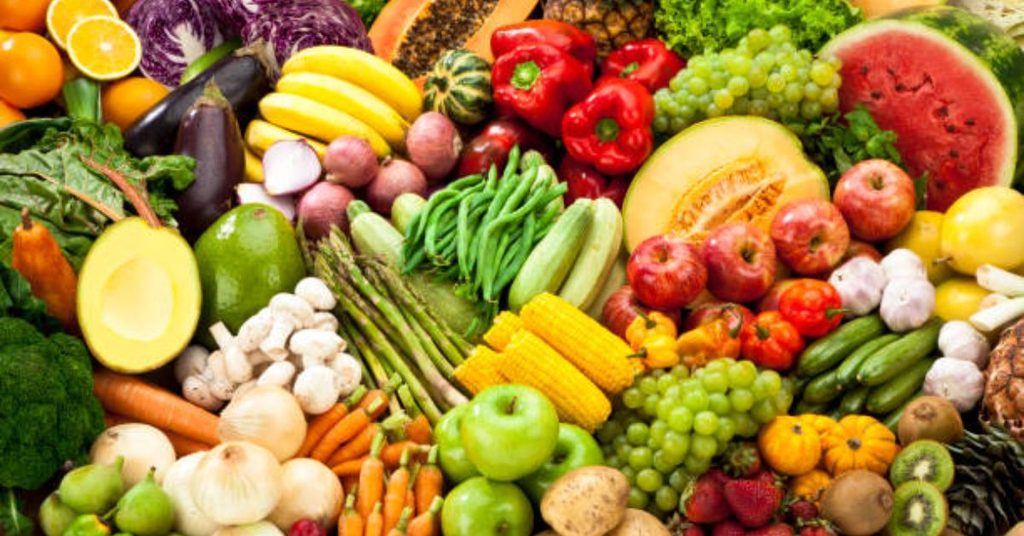
- Focus on incorporating prebiotics (left) and probiotics (right).
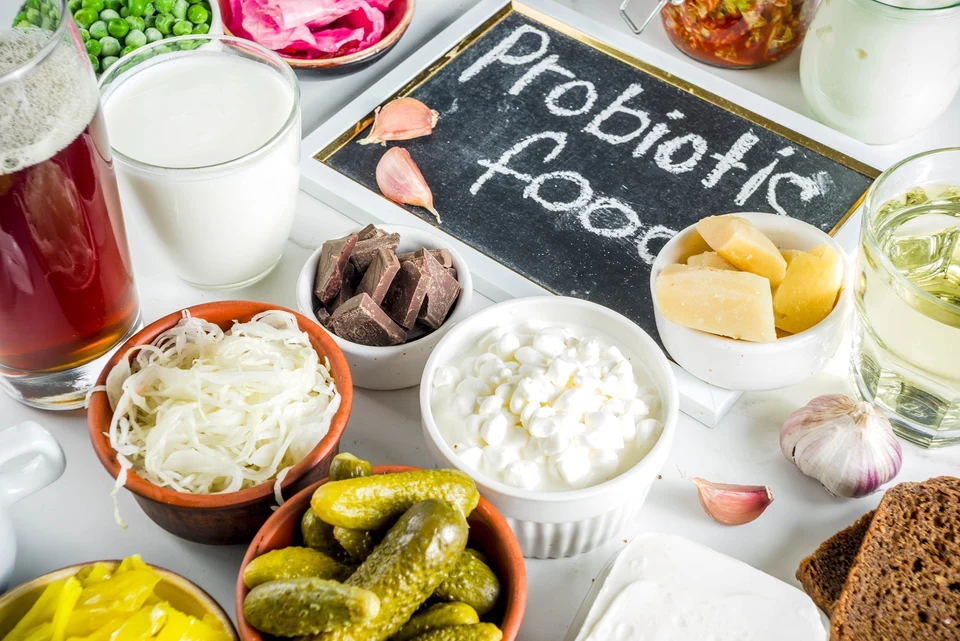
- Probiotics consist of fermented foods, such as yogurt, kefir, fermented vegetables (sauerkraut, pickles, etc.), kombucha, and more
- These foods contain beneficial bacteria themselves, adding more “good guys” to your microbiota.
- Prebiotics don’t contain bacteria themselves; however, they provide food for the good bacteria, feeding them and keeping them alive and thriving. The two main forms of prebiotics include:
- Soluble Fiber: Think your fruits and veggies!
- Resistance Starch: Greener bananas, overnight oats. beans, lentils, barley, and cooked and cooled rice, pasta, and potatoes
- When you allow cooked starch to cool, it loses it’s water, changing the chemical structure and creating a resistance starch! These are very “resistant” to digestion and thus make their way to the large intestine, unabsorbed by our body, now acting as food for our good bacteria!
- Probiotics consist of fermented foods, such as yogurt, kefir, fermented vegetables (sauerkraut, pickles, etc.), kombucha, and more
- You don’t have to eliminate sugar and fat completely. Simply be mindful, control your intake, and enjoy these things in moderation. It’s all about balance, so as long as you build up and maintain those good bacteria by consistent intake of pre and probiotics, moderate fat and suage intake and/or the occasional treat will do no harm.
- Be cautious with antibiotics
- antibiotics work to kill bad bacteria in our body; however, they also wipe out our good bacteria as well, wiping out much of our microbiota when we take them. Furthermore, it’s crucial to prioritize pre and probiotics even more when you get off the drugs, in order to build back up that symbiotic state of good bacteria!
- Develop a toolbox to manage stress
- As mentioned above, diet is the largest contributor to gut heath; however, that’s not to say that other things aren’t important. Stress is another big one that, even if we’re eating all the right things, can negatively impact our gut. Stress is unavoidable, so having strategies to manage it and bring yourself back to a calm state of mind is crucial.
- Here’s the connection between stress and digestion…
- When in a state of stress, the body directs blood flow to areas of the body that may be used for our immediate survival. Digestion is not one of those things, so blood flow decreases to these areas, and digestion takes a back seat to the more important thing in moments of stress… survival.
- When blood flow lacks, we don’t break down our food as well, further inhibiting proper feeding of the good bacteria in our gut while simultaneously providing more food for the bad bacteria. As previously discussed, this will shift us towards dysbiosis, driving the development of leaky gut.
- When in a state of stress, the body directs blood flow to areas of the body that may be used for our immediate survival. Digestion is not one of those things, so blood flow decreases to these areas, and digestion takes a back seat to the more important thing in moments of stress… survival.
- Especially when we’re eating, we want to do our very best to avoid being in a stressed state. Engaging in things like a few deep breaths before eating, putting away screens, focusing on chewing our food, and putting down your utensil in between bites, are all ways to eat more mindfully and calmly
- What we eat is important, but the state of mind in which we eat is just as important!
The gut is connected to much more than we thought, and more and more research is showing its link to the health of various other organs. Now, don’t get down on yourself if you’re just learning this information. There is no better time to make a change than now, and the great thing is that we can work to rebuild and rebalance our microbiota at any point, one decision at a time. So, what are you waiting for? Build up your very own army of strong bacteria, protect your body from the most common diseases, and shape a healthier version of you!